
Falling Waters Sustainability Plan
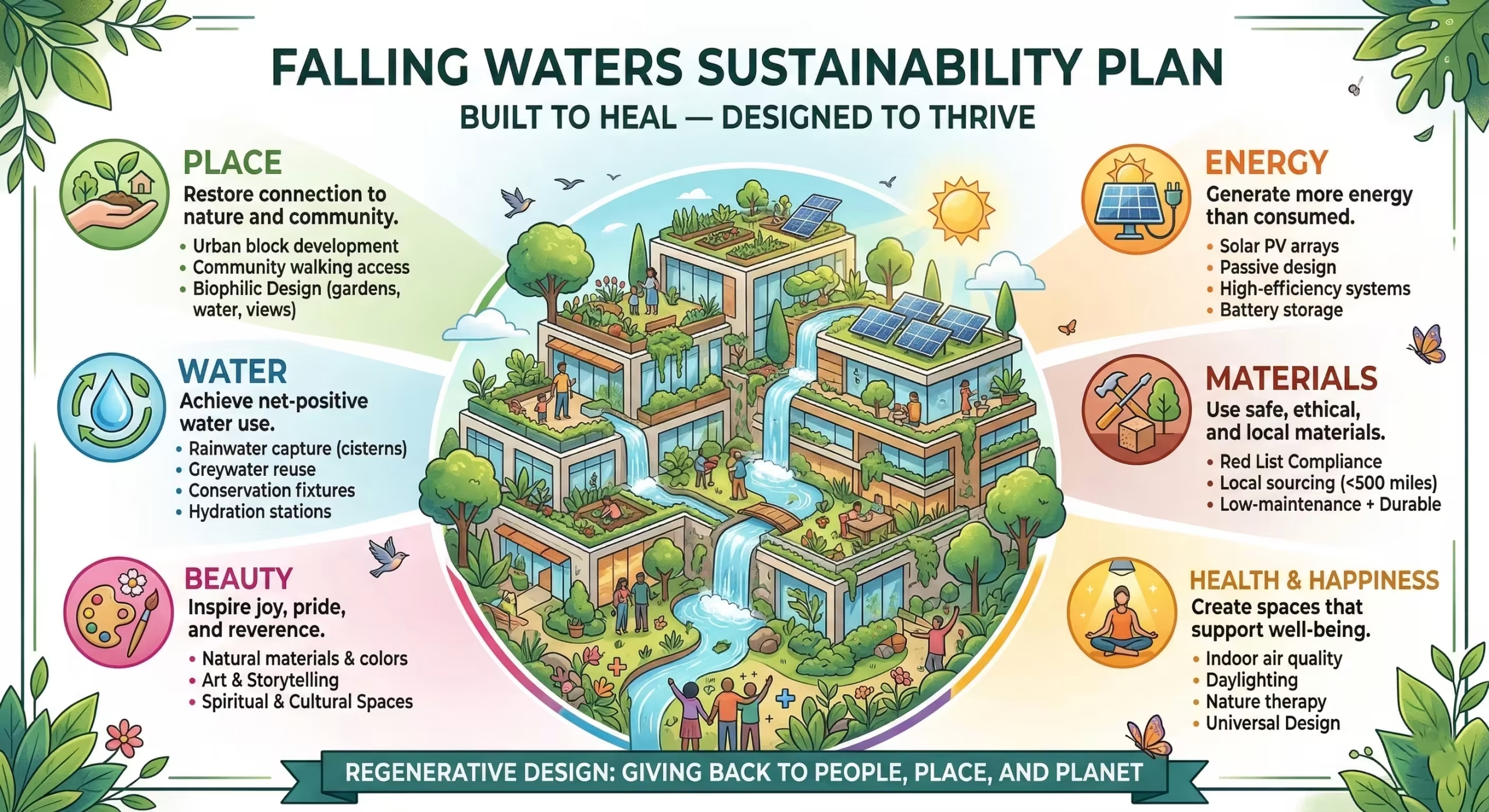
Built to Heal — Designed to Thrive
Falling Waters is grounded in regenerative principles guided by the Living Building Challenge (LBC). Each of the seven “Petals” of the LBC framework has been embedded into the project’s design, construction, and operations.
1. PLACE
Goal: Restore connection to nature and community.
- Site Selection: Development takes place on a previously disturbed urban block to protect farmland and wild habitat.
- Community Access: Located within walking distance to over 30 restaurants, healthcare providers, and art venues — no car needed.
- Biophilic Design: Gardens, water features, living roofs, and views are integrated throughout. The site fosters interaction with nature to reduce stress and promote well-being.
2. WATER
Goal: Achieve net-positive water use on site.
- Rainwater Capture: Roof runoff will be stored in cisterns and filtered for landscape use and potentially potable water.
- Greywater Reuse: Treated for greenhouse irrigation and possibly toilet flushing.
- Water Conservation Fixtures: All homes use low-flow faucets, dual-flush toilets, and water-efficient laundry and dishwashing.
- Hydration Stations: All common areas feature accessible filtered water stations.
3. ENERGY
Goal: Generate more energy than the community consumes.
- Solar PV Arrays: Roof-mounted systems on homes and common buildings, sized for full energy offset.
- Passive Design: South-facing windows, thick insulation, and thermal mass strategies reduce heating/cooling loads.
- High-Efficiency Systems: Mini-split heat pumps, heat recovery ventilation (HRV), and LED lighting.
- Battery Storage: Resilience systems allow for energy continuity during outages — critical for elder residents.
4. MATERIALS
Goal: Use safe, ethical, and local materials.
- Red List Compliance: No PVC, formaldehyde, or other toxic substances used. All materials vetted through Declare Labels.
- Local Sourcing: Wood, metal, insulation, and finishes sourced within 500 miles when possible.
- Low-Maintenance + Durable: Materials selected to reduce long-term costs and environmental impact.
5. HEALTH & HAPPINESS
Goal: Create spaces that support mental and physical well-being.
- Indoor Air Quality: No-VOC paints, clean air ventilation, and operable windows in every unit.
- Daylighting: Skylights, large operable windows, and clear sightlines throughout homes and shared spaces.
- Sensory & Nature Therapy: Rooftop greenhouse, koi pond, quiet garden, and bird-friendly habitat zones.
- Universal Design: Non-slip floors, wide hallways, motion-sensor lights, and smart assistive tech in every home.
6. EQUITY
Goal: Ensure access, dignity, and affordability.
- ADA+ Design: All units exceed accessibility requirements for residents with mobility or cognitive impairments.
- Mixed-Income Housing: Exploring partnerships with state programs or nonprofits to offer reduced-rate rentals.
- Just Label & Workforce: Local hiring practices, women- and BIPOC-owned contractors prioritized.
7. BEAUTY
Goal: Inspire joy, pride, and reverence.
- Natural Materials & Color: Earth-toned exteriors, wood interiors, local artwork.
- Art & Storytelling: Outdoor murals, community events, resident artwork and garden art integrated into design.
- Spiritual & Cultural Spaces: Meditation nooks, creative workspaces, and areas for music, dance, and poetry.
Continuous Engagement
- Resident Participation: Greenhouse programs, composting, and sustainability workshops for all residents.
- Operations Plan: Trained staff to manage energy systems, compost, and food waste recovery.
- Annual Reporting: Sustainability impact updates (energy, water savings, social equity metrics).
Falling Waters isn’t just “green.” It’s regenerative — giving back to people, place, and planet.